A mold inspection is a visual, hands-on evaluation of your home to find where moisture and mold growth are coming from. Mold testing is a lab analysis that identifies what species of mold is present and how concentrated the spores are. They answer two different questions, and most Fort Pierce homeowners only need one of them.
Here is how to tell which one fits your situation, what each costs in 2026, and why the order matters more than most people realize.
The Short Answer: Inspection Evaluates the Problem; Testing Adds Evidence
A mold inspection is a diagnostic service that locates moisture sources, visible growth, and conditions that feed mold - it tells you where the problem is and how big it is. Mold testing is a laboratory service that tells you what kind of mold you have and how many spores are in the air.
Think of it like a leak in a wall. The inspection is the plumber cutting into drywall to find the pipe. The test is the lab report telling you the water contains lead. Both are useful. They are not the same job.
If you notice suspicious ceiling stains or a persistent musty odor when the AC runs, an inspection can help determine whether mold or moisture is involved. Testing it just confirms what your nose told you. What you actually need is someone to find the water source and stop it.
If occupants report symptoms but no mold is visible, a qualified assessor can discuss whether a building investigation or targeted sampling is appropriate. Symptoms alone do not identify mold as the cause. That is a different scenario and a different tool.
What a Mold Inspection Actually Covers
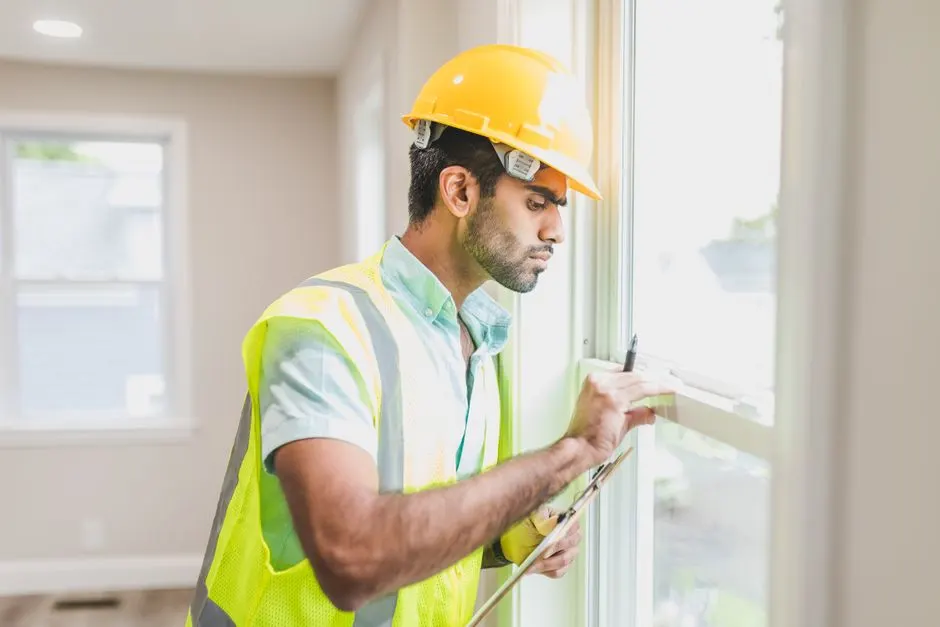
A proper mold inspection in Fort Pierce takes 60 to 90 minutes on a typical 1,800-square-foot home and covers every place water can hide. We start with the moisture meter and thermal camera, not the swab kit.
Here is what we check on every inspection:
- Moisture readings at baseboards, window frames, and under sinks - results need to be interpreted for the material and meter being used.
- Thermal imaging of exterior walls, ceilings, and around AC registers to identify temperature patterns that may warrant direct moisture measurements.
- Attic decking and rafters, especially under roof penetrations and around exhaust fans.
- Crawl space joists and vapor barrier, where Fort Pierce's sandy soil and high water table keep things damp year-round.
- HVAC air handler and ductwork, since a wet evaporator coil will seed mold through the whole house.
- Relative humidity in each room - anything sustained above 60% is a mold nursery.
The output is a written report with photos, moisture maps, and a scope of work. It tells you what is wet, why it is wet, and what it takes to dry it out and remove the growth. That report is what you hand to your insurance adjuster or your contractor.
If mold growth is visible, a qualified professional can assess the affected area and discuss whether Black Mold Removal Fort Pierce FL is appropriate. Lab testing is not necessary in every case.
What Mold Testing Actually Measures
Mold testing measures spore counts and species. It does not tell you where the mold is growing or how to fix it.
There are three common test types:
- Air sampling. A calibrated pump pulls a set volume of air across a slide. You get a spore count per cubic meter, indoors versus outdoors. If indoor counts are higher than outdoor counts, you have an active source somewhere.
- Surface sampling. A swab or tape lift from a visible spot. This tells you the genus - Stachybotrys (black mold), Cladosporium, Aspergillus, Penicillium - but not how far it has spread.
- Bulk sampling. A piece of building material (drywall, insulation, wood) sent to a lab. Used less often because it damages the surface.
Lab turnaround runs 24 to 72 hours depending on the lab. A single air sample typically costs $75 to $150, and a full panel with an outdoor control runs $300 to $600 in 2026 pricing.
Here is the part most homeowners miss: a positive test does not change the remediation plan. If you have mold, you remove it. Knowing it is Stachybotrys versus Cladosporium does not change how we contain the area, HEPA-filter the air, or treat the framing. The species matters for your doctor and your insurance claim, not for the demo work.
Side-by-Side: Cost, Time, and What You Get
Typical 2026 pricing in the Fort Pierce area breaks down like this:
- Standalone inspection: $250 to $500 for a single-family home, 60 to 90 minutes on site, report within 24 hours.
- Standalone air test: $75 to $150 per sample, 24 to 72 hours for results, no site walkthrough.
- Inspection plus testing bundle: $400 to $800, includes 2 to 4 samples and a full moisture report.
- Post-remediation clearance test: $150 to $400, done 24 to 48 hours after the work is finished.
An inspection gives you a map. A test gives you a lab report. If you have to pick one, pick the inspection - a spore count without a moisture source is a number with nowhere to go.
We bundle both into our Mold Inspection & Testing Fort Pierce FL service so you get the moisture map and the lab confirmation in one visit.
Do You Need Both? Depends on What You Are Looking At
You need an inspection if you can see or smell mold, if you have had a recent leak or flood, or if you are buying a home and want to know what you are walking into.
You need testing if the inspection found growth and you want species confirmation for a doctor, a landlord, or an insurance claim - or if you have symptoms but no visible mold.
You need both if you are filing an insurance claim. Adjusters want a moisture report and a lab result. One without the other usually gets kicked back.
You need a clearance test after remediation, always. That is the third-party air sample proving the job worked. Skip it and you have no documentation that the spore count came down.
Why Fort Pierce Homes Get Mold So Easily
Fort Pierce sits in one of the wettest, most humid climate zones in the continental U.S. Average relative humidity runs 73% to 78% most of the year, and the rainy season from June through October drops 30 to 40 inches on the Treasure Coast.
That combination means three things for local homes:
- Homes built before 1990 - a large share of the housing stock near downtown and along Indian River Drive - often have undersized attic ventilation and no vapor barrier in the crawl space.
- Hurricane-season roof and window leaks let water in behind the drywall where you cannot see it. By the time the stain shows, the mold has been growing for weeks.
- AC systems running 9 to 10 months a year keep interior surfaces cool enough to condense moisture when humid outside air gets in through gaps.
We see the same pattern in the older riverfront neighborhoods and in the newer builds out toward Mold Remediation in White City, where slab-on-grade construction traps moisture under flooring after a slow plumbing leak.
Attic mold is the most common call we get. If you have seen dark staining on the roof decking, our Attic Mold Removal Fort Pierce FL service handles the removal and the ventilation fix that keeps it from coming back.
Down low, the crawl space is the second most common. Sandy soil plus a high water table means standing water under the house after every heavy rain. That is a job for Crawl Space Mold Removal Fort Pierce FL, which includes the vapor barrier and drainage correction.
Common Mistakes Homeowners Make With Mold Inspections and Tests
The biggest mistake is buying a test kit at a hardware store and treating the result as a diagnosis. Those petri-dish kits grow whatever lands on them, including dead spores and dust. They are not calibrated and they are not admissible for insurance.
Other mistakes we see weekly:
- Testing before inspecting. You get a spore count with no idea where the source is. The number is useless without a moisture map.
- Bleaching visible mold. Bleach kills surface mold but does not reach the roots in drywall paper or wood grain. It also adds moisture to the problem area.
- Skipping the clearance test. Without a post-remediation air sample, you have no proof the job worked - and no leverage if the mold returns.
- Hiring a remediator who also sells the test. The clearance test should be done by a third party. We do not grade our own homework.
- Ignoring the moisture source. Removing mold without fixing the leak is a $2,000 to $8,000 repeat visit waiting to happen.
When to Call a Professional
Call us when the affected area is larger than about 10 square feet, when the mold is inside a wall or ceiling cavity, when you have had a sewage or flood event, or when anyone in the house has asthma or a compromised immune system.
Small surface spots on a bathroom tile grout - under 10 square feet - you can usually handle with a proper cleaner and better ventilation. Anything bigger, anything hidden, or anything that keeps coming back is a moisture problem that needs a moisture professional.
Fort Pierce Mold Pros handles inspections, testing, and remediation under one roof. We find the water, remove the growth, dry the structure, and document the whole thing for your records.
Frequently Asked Questions
How much does a mold inspection cost in Fort Pierce?
A standalone mold inspection in Fort Pierce runs $250 to $500 in 2026 for a typical single-family home. That includes a moisture meter survey, thermal imaging, and a written report. Bundling air testing adds $150 to $300 depending on sample count.
Can I just do a mold test without an inspection?
You can, but the result will not tell you where the mold is or how to fix it. A spore count without a moisture source is a number with no action plan. We recommend inspection first, then testing only if species confirmation is needed.
How long does mold testing take to get results?
Most labs return air and surface sample results in 24 to 72 hours. Rush turnaround in 24 hours is available for an extra fee. The inspection report itself is usually delivered within 24 hours of the site visit.
Does homeowners insurance cover mold testing in Florida?
Florida policies typically cover mold testing and remediation when the mold is tied to a covered peril - a burst pipe, a storm-created roof leak, or an appliance failure. Mold from long-term neglect or humidity is usually excluded. The inspection report is what your adjuster uses to decide.
What humidity level stops mold growth in a Fort Pierce home?
Keep indoor relative humidity below 60%, ideally between 45% and 55%. Above 60% sustained, mold spores colonize within 24 to 48 hours on wet surfaces. Running the AC and a dehumidifier during the rainy season keeps you in range.
Get Help With Mold Remediation in Fort Pierce
If you have visible growth, a musty smell, or a moisture problem you cannot track down, we will find the source and give you a straight answer on what it takes to fix it. For Mold Remediation Fort Pierce FL, we can help coordinate licensed assessment, remediation, and independent follow-up when appropriate.
Call Fort Pierce Mold Pros at +1 772-262-4441 to schedule your inspection.