White City Park
White City Park is a local reference point for the residential streets on the north side of town. When a customer says they are near the park, we know which block to head for and which side of the street has easier truck access.
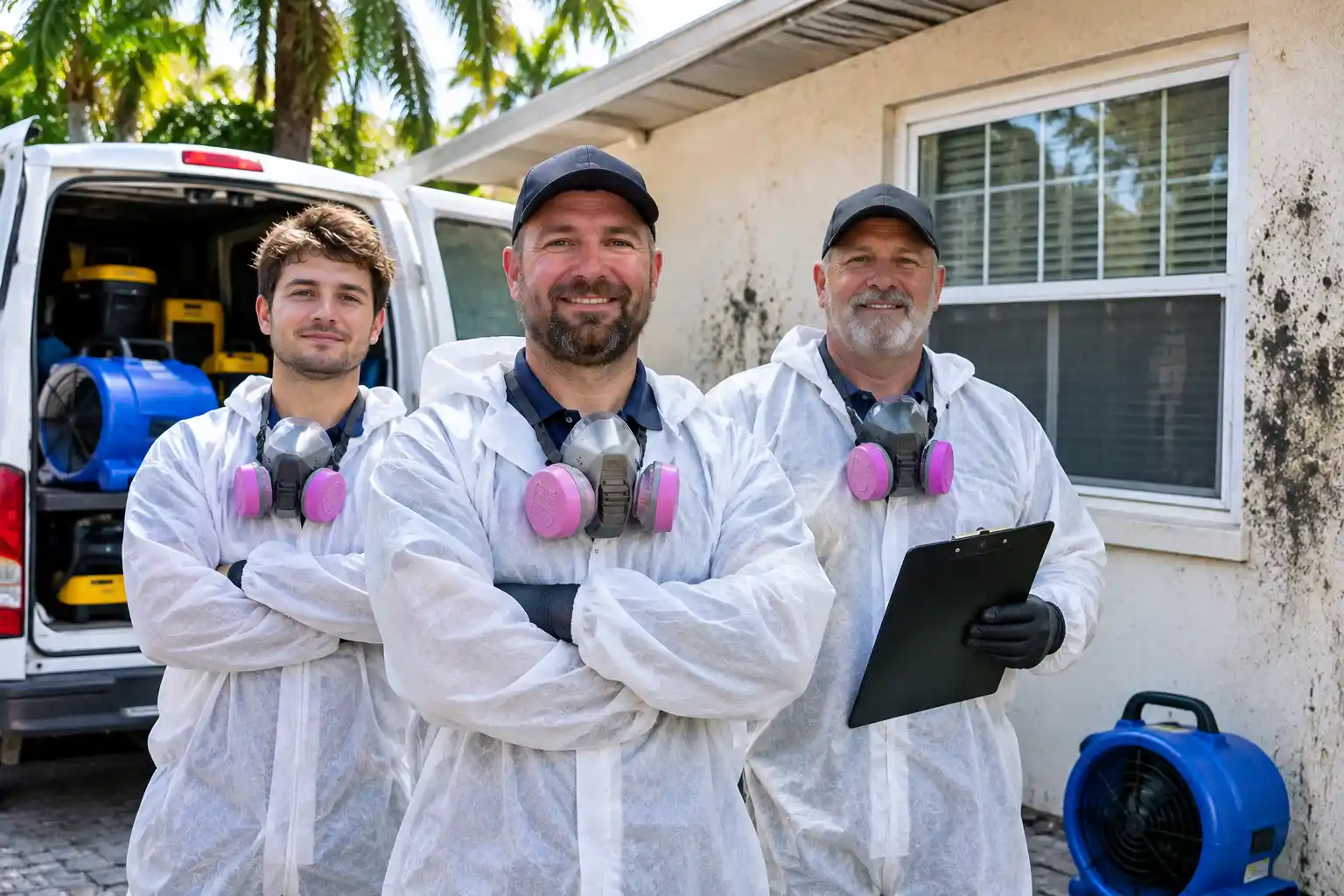
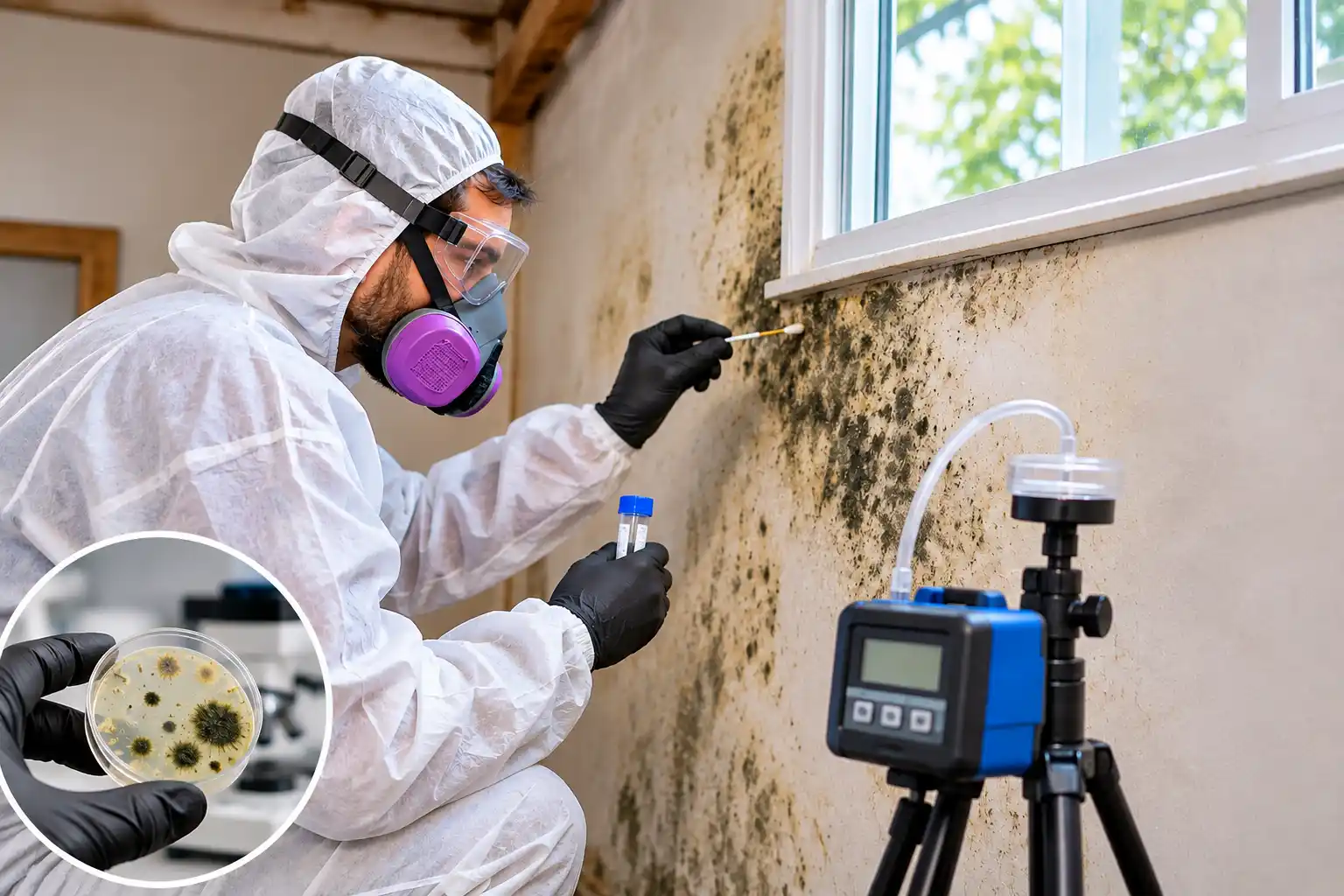
White City sits in one of the wettest pockets of Florida, and that humidity shows up in the walls, attics, and crawl spaces of homes from White City North down to the Midway Road area. We run mold remediation in White City with the same crew that handles Fort Pierce, so you are not getting a subcontractor who has never set foot in St. Lucie County. Our technicians carry thermal imaging cameras and moisture meters to find hidden water before we cut anything open. We pull permits when the work requires it, follow IICRC Certified Mold Remediation standards, and leave you with documentation you can hand to a buyer or an adjuster. Whether it is a 1970s block home near the Okeechobee Road corridor or a newer build off Crosstown Parkway, we know where the moisture hides. If you have been searching for White City Mold Remediation FL services that actually answer the phone, that is what we do.
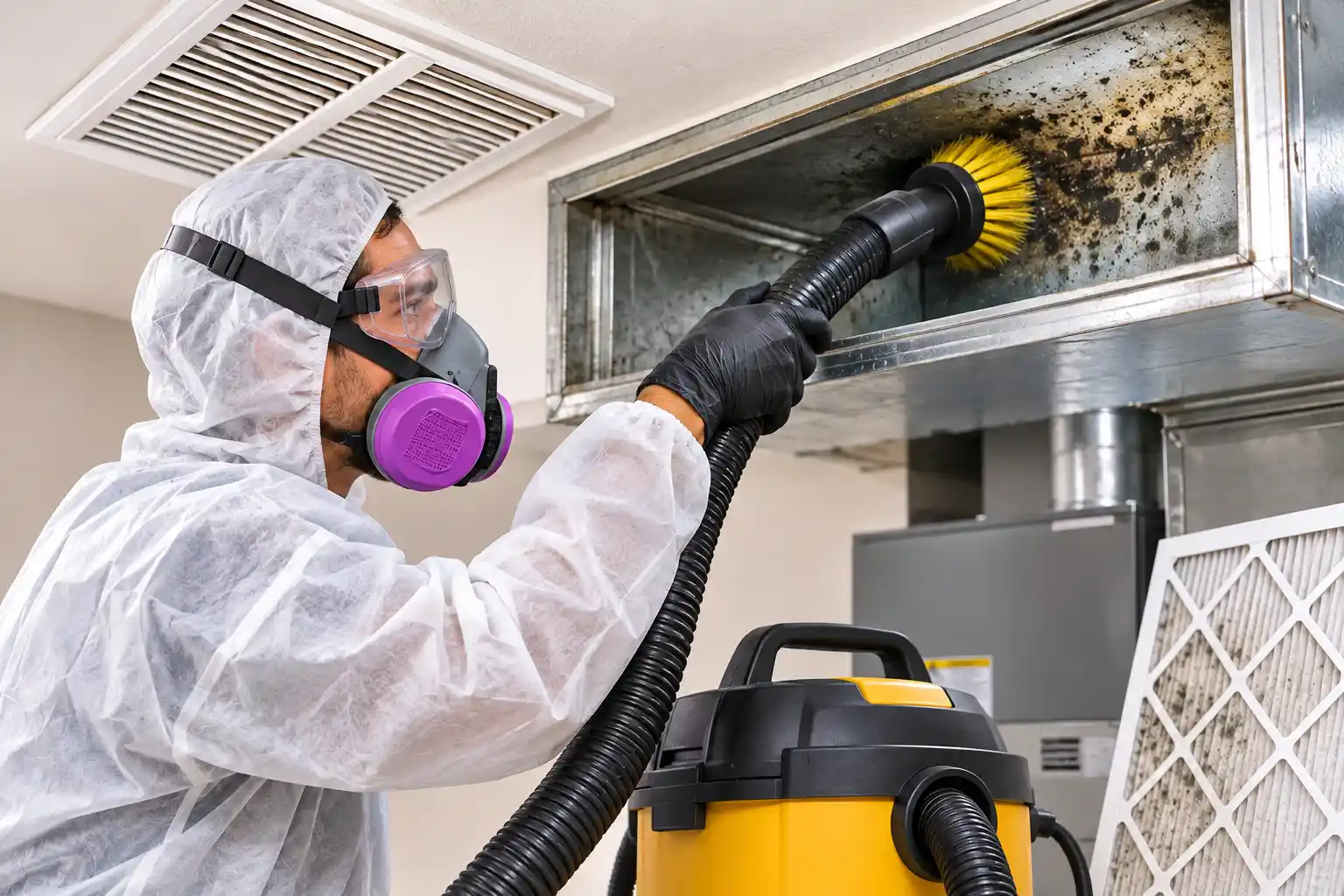
If you need mold remediation in White City, FL, we run the full range of services out of our Fort Pierce base. That includes black mold removal, attic and crawl space work, mold inspection and testing, and HVAC duct cleaning. White City has a lot of older housing stock with original plumbing and undersized ventilation, which means we see more hidden mold here than in newer developments. We scope the job, explain what we found, and give you a price before we start.
White City has a specific set of conditions that drive mold problems: high humidity, frequent heavy rains, older housing stock, and proximity to the Indian River Lagoon. These factors combine to create moisture issues that do not show up in drier parts of Florida. If you are looking for a White City mold cleanup company, these are the problems we see most often.
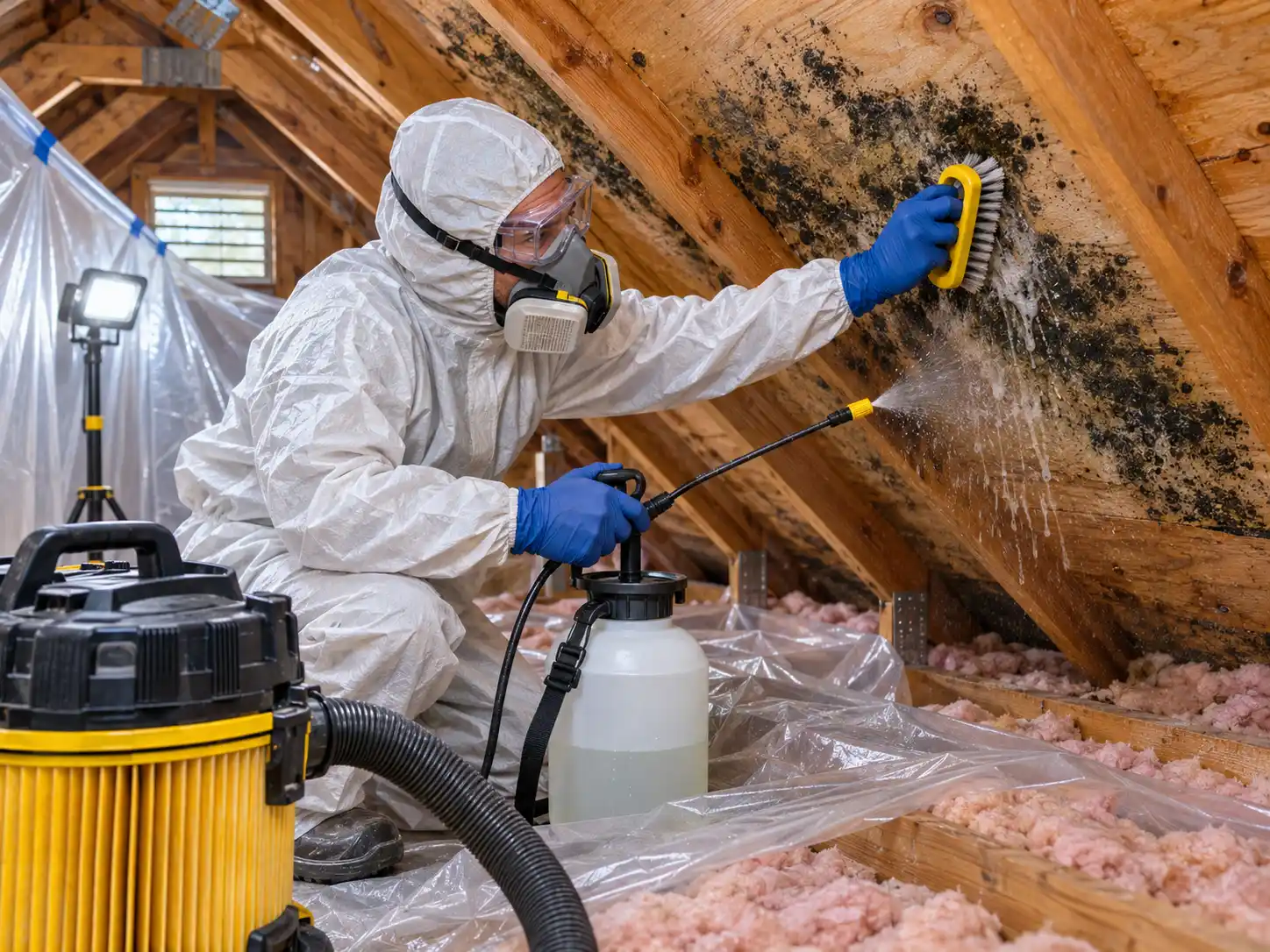
Many White City homes have attic ventilation that was sized for a drier climate. When the humidity stays high and bathroom exhaust fans vent into the attic instead of outside, the roof decking stays damp. Mold grows on the sheathing within weeks.
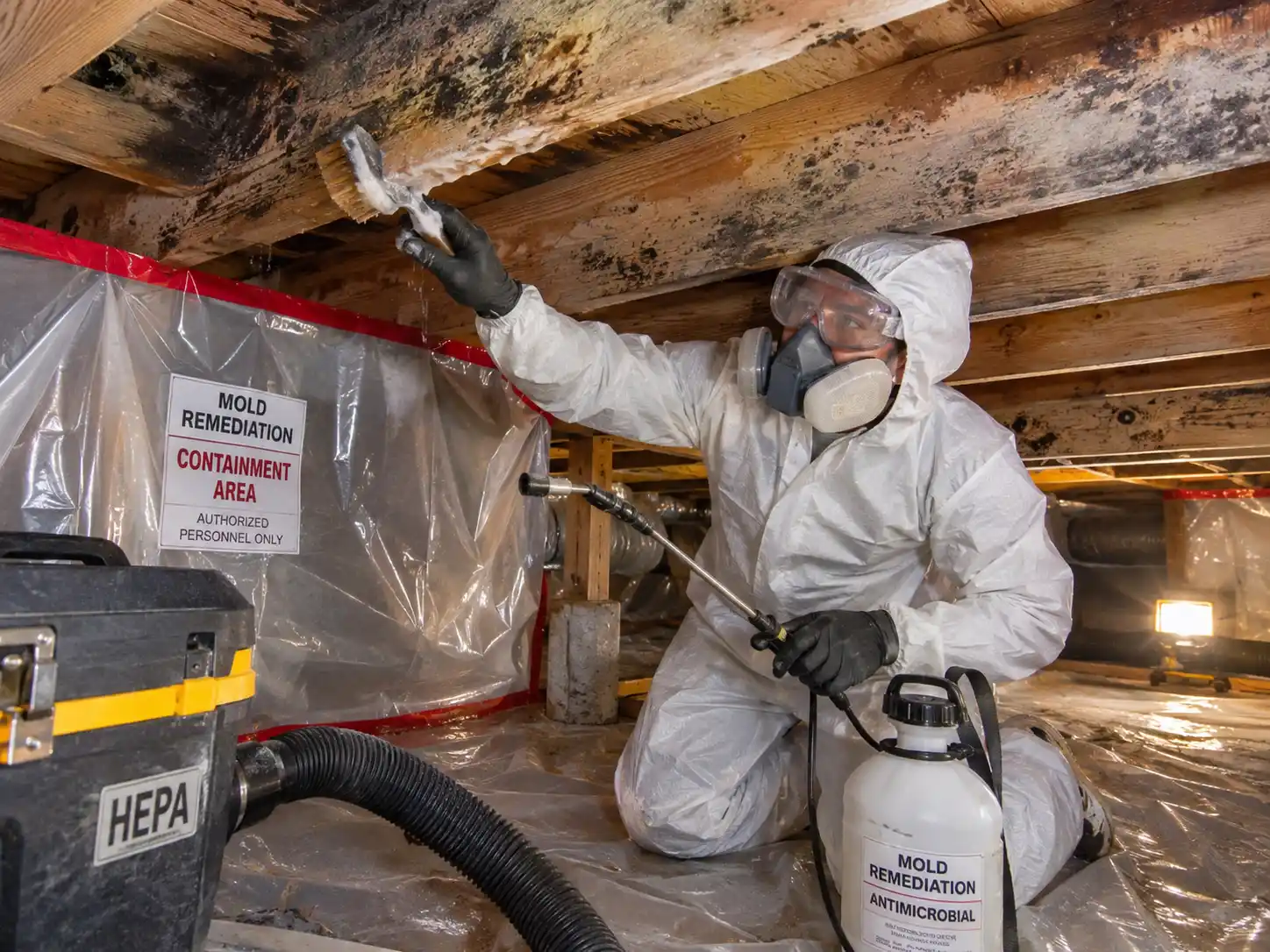
Older homes in White City South and the Midway Road area often have crawl spaces with torn or missing vapor barriers. The ground stays wet, and moisture wicks up into the floor joists. This is made worse by the high water table in low-lying areas.
In White City, air conditioners run almost year-round. That means the evaporator coil and ductwork stay wet from condensation. If the condensate line clogs or the system is oversized, mold grows inside the ducts and blows spores into every room.
St. Lucie County gets frequent heavy rains, and White City properties near the Okeechobee Road corridor and Crosstown Parkway area are prone to flooding. Water enters through doors, windows, and roof leaks, and mold can start growing within 24 to 48 hours.
Mold does not always announce itself with a big black patch on the wall. In White City, the humidity and frequent rains mean mold often starts behind drywall, under floors, or in the attic where you never see it. If you need mold remediation in White City, FL, these are the signs that tell you it is time to call a pro.
Musty odor that will not go away
A persistent musty smell usually means mold is growing somewhere hidden, like inside a wall cavity or under a floor. Air fresheners and candles mask it, but the source is still there. In White City's humidity, that smell will get worse, not better.
Visible black or green spots on walls
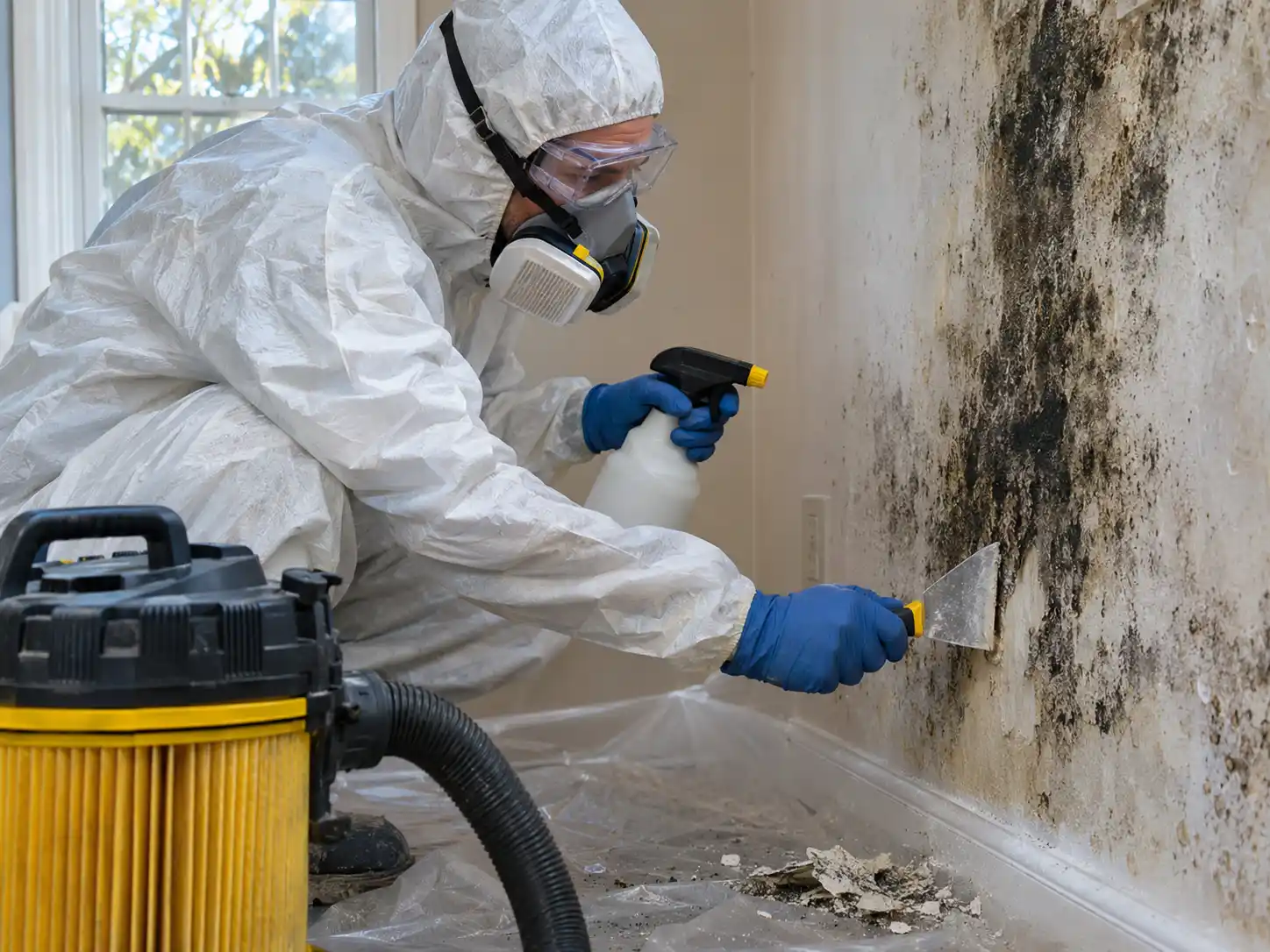
Black mold growth on drywall, baseboards, or window frames means moisture has been present long enough for mold to colonize. If you wipe it away and it comes back within a week, the water source is still active. That is when you need remediation, not cleaning.
Peeling paint or bubbling drywall
Paint that peels or drywall that bubbles is a sign of moisture behind the surface. In older White City homes, this often points to a slow plumbing leak or a roof leak that has been running for months. The mold is usually behind the damaged area.
Warped or soft spots in the floor
Soft spots in a wood floor or subfloor mean water has been sitting there long enough to break down the material. In crawl space homes, this often starts with a failed vapor barrier. If you feel a soft spot, do not wait, because the damage spreads.
Increased allergy symptoms indoors
If your allergies or asthma get worse when you are home and better when you leave, mold spores in the air may be the cause. This is common in White City homes with HVAC mold or attic mold that is circulating through the system. An assessment can help investigate possible indoor sources.
White City is not a big place, but knowing the landmarks saves time when we are routing trucks. We use White City Park as a reference point for the residential streets on the north side, and the White City Shopping Center helps us locate the commercial strip along the main road. The St. Lucie County Fairgrounds is a useful marker for the western edge of our service area, and Crosstown Parkway gives us a fast route when we are coming from Fort Pierce. If you are giving us directions, mention the nearest landmark and we will find you.
White City Park is a local reference point for the residential streets on the north side of town. When a customer says they are near the park, we know which block to head for and which side of the street has easier truck access.
The White City Shopping Center anchors the commercial strip and helps us locate nearby businesses and rental properties. It is a useful marker for scheduling commercial mold cleanup jobs along the main road.
The St. Lucie County Fairgrounds sits near the western edge of our White City coverage area. When we get a call from properties out that way, the fairgrounds is the landmark we use to confirm we are routing to the right side of town.
Selected nearby addresses within the listed ZIP codes, with same-day routing on most appointments.
White City does not get a real winter, but the seasons still change how mold behaves. The rainy season, the dry season, and the temperature swings all affect where moisture shows up and how fast mold grows. Here is what we see through the year and what you should do about it.
Spring brings warmer temperatures and the start of the rainy season. Humidity climbs, and attic and crawl space mold that was dormant in the drier months starts growing again. We get a lot of calls for musty odors that appeared seemingly overnight.
Tip: Check your attic and crawl space for signs of moisture before the heavy rains start. If you see condensation on pipes or a damp vapor barrier, get it looked at now.
Summer is peak mold season in White City. The combination of high heat, daily thunderstorms, and constant AC runtime creates ideal conditions for mold growth. HVAC mold and water damage mold from storm leaks are the most common calls we get.
Tip: Change your AC filter monthly and check the condensate line for clogs. If your system is not draining properly, mold will grow in the ducts. Also check under sinks and around windows after heavy rain.
Fall is still humid in White City, but the rains taper off. Mold growth slows down, but it does not stop. This is when we find a lot of hidden mold during real estate inspections, because buyers are looking more closely at properties.
Tip: If you are selling your home, get a mold inspection before you list it. Finding and fixing a problem now is cheaper than losing a buyer later. If you are buying, ask for a mold test as part of your inspection.
Winter in White City is mild, but the humidity can still be high near the Indian River Lagoon. We see less new mold growth, but existing problems do not go away. Crawl space mold stays active because the ground stays wet.
Tip: Use this time to schedule crawl space encapsulation or attic ventilation work. The weather is cooler, and it is a good time to get ahead of the spring growth. If you had a mold problem last year, get it checked before the next rainy season.
White City is part of a larger service region we cover from our Fort Pierce base. We run crews into Vero Beach, Jensen Beach, Stuart, and Palm City regularly, so if you are just outside White City, we can still help. The same technicians, the same equipment, and the same standards apply across the Treasure Coast.
NEARBY CITY
Vero Beach is about 30 minutes north of White City. We serve customers there who need mold remediation after storm flooding or HVAC mold issues in older beachside homes.
View Vero BeachNEARBY CITY
Jensen Beach is roughly 25 minutes southeast of White City. We get calls there for crawl space mold and attic mold in homes near the Indian River Lagoon.
View Jensen BeachNEARBY CITY
Stuart is about 35 minutes south of White City. We handle mold cleanup for property managers and homeowners in the older neighborhoods near downtown.
View StuartNEARBY CITY
Palm City is roughly 40 minutes southwest of White City. We serve customers there who need mold inspection and testing before a real estate closing.
View Palm CityReal answers from our team for the questions we hear most often before a job starts.
If you have mold in your White City home or business, call us at +17722624441. We answer the phone 24/7, and we can usually be on-site the same day. You get a free estimate, a written scope, and a fixed price before we start. We serve White City North, White City South, the Midway Road area, and the Okeechobee Road corridor, plus the 34981 and 34982 ZIP codes. Do not wait for the problem to get worse. Call now and let us get your air clean again.
For White City addresses within the covered Fort Pierce ZIP areas, call (772) 262-4441. Share your exact ZIP and describe any crawl-space, attic or indoor moisture concerns so coverage can be checked.
Phone
(772) 262-4441Address
2007 Totten Rd, Fort Pierce, FL 34947
Hours
Mon–Fri: 7AM – 7PM
Sat: 8AM – 4PM
Sun: Emergency Only
24/7 Emergency Available